
What Happens During a Wedding Ceremony?

Wedding Ceremony Order of Events
If you've never planned a wedding before, one of the biggest questions is simple:
"What actually happens during the ceremony?"
Whether you're planning a traditional wedding, a modern celebration, or something uniquely your own, understanding the order of events can make your day feel smooth, organized, and stress-free.
While every ceremony is different, most weddings follow a similar flow. Here's a step-by-step guide to help you know what to expect.
1. Guest Arrival

Guests typically arrive 30–45 minutes before the ceremony.
During this time:
Ushers help guests find seats.
Prelude music sets the mood.
Programs may be handed out.
Immediate family members are seated first.
This is also a great time for your wedding coordinator to ensure vendors are ready and everyone participating in the ceremony is in place.
2. The Processional

The processional is the grand entrance and often one of the most emotional moments of the day.
A common order includes:
Grandparents
Parents of the groom
Mother of the bride
Groom
Officiant
Wedding party
Maid or Matron of Honor
Best Man
Ring Bearer
Flower Girl
Bride (often escorted by a parent or loved one)
Every couple can customize this order to fit their traditions and preferences.
3. Welcome and Opening Remarks
Once everyone is in place, the officiant welcomes guests and shares a few opening words.
This may include:
Thanking everyone for attending.
A brief story about the couple.
The significance of marriage.
A prayer or blessing, if desired.
4. Readings
Many couples include one or more readings performed by family or friends.
Popular choices include:
Bible verses
Poems
Literary passages
Personal letters
Favorite quotes
Readings add a personal touch and often involve loved ones who aren't part of the wedding party.
5. Declaration of Intent
This is the official "I do" moment.
The officiant asks each partner if they willingly enter into marriage, and each responds affirmatively.
Although brief, this is one of the legal components of many wedding ceremonies.
6. Exchange of Vows

The vows are where couples make personal promises to one another.
Options include:
Traditional vows
Religious vows
Personalized vows
A combination of both
Some couples choose to exchange private vows before the ceremony while using traditional vows during the public ceremony.
7. Ring Exchange
The wedding rings symbolize commitment and are exchanged following the vows.
The officiant typically invites each partner to place the ring on the other's finger while repeating a short statement or promise.
8. Unity Ceremony (Optional)

Many couples include a symbolic ritual after exchanging rings.
Popular unity ceremonies include:
Unity candle
Sand ceremony
Handfasting
Tree planting
Wine box ceremony
Cord of three strands
Jumping the broom
This portion is completely optional and should reflect your personalities or cultural traditions.
9. Pronouncement of Marriage

The officiant officially declares the couple married.
This is followed by one of the most anticipated moments:
"You may now kiss!"
10. The Recessional
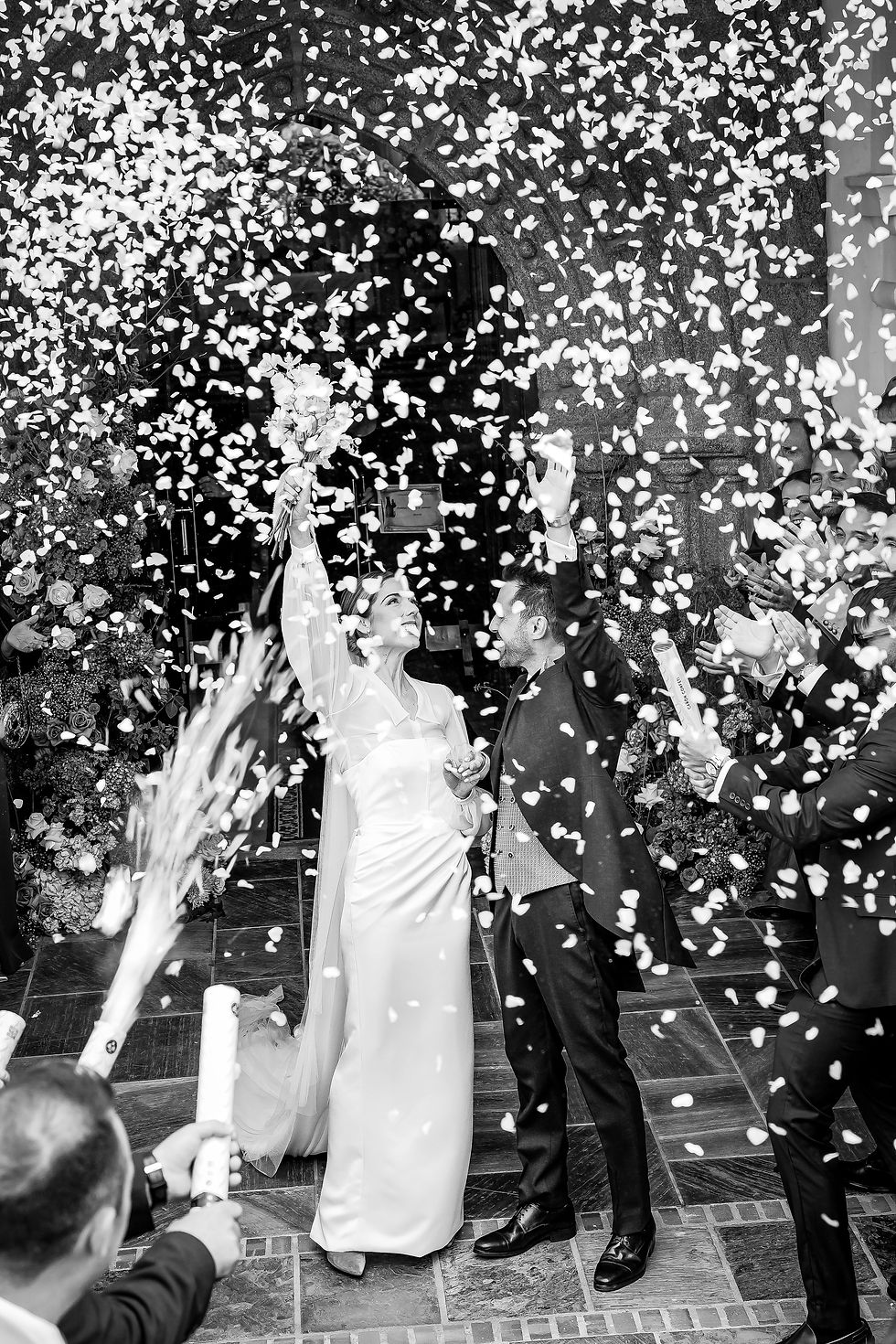
The newlyweds walk back down the aisle together while guests celebrate.
The typical recessional order is:
Newlyweds
Wedding party
Parents
Grandparents
Guests
This is often accompanied by upbeat music and plenty of smiles.
Sample Wedding Ceremony Timeline
Event | Time |
Guest Arrival | 4:30 PM |
Ceremony Begins | 5:00 PM |
Processional | 5:00–5:08 PM |
Welcome & Readings | 5:08–5:15 PM |
Vows & Rings | 5:15–5:25 PM |
Pronouncement | 5:25 PM |
Recessional | 5:27 PM |
Ceremony Ends | 5:30 PM |
Most ceremonies last 20 to 30 minutes, though religious ceremonies may run longer.
Tips for a Smooth Wedding Ceremony
Attend your ceremony rehearsal.
Share the ceremony order with everyone participating.
Confirm music cues ahead of time.
Have your marriage license ready if required.
Ask your officiant about local legal requirements.
Hire a wedding coordinator to keep everyone on schedule and handle last-minute details.
A well-organized ceremony allows you to stay present and enjoy every meaningful moment.
Frequently Asked Questions
How long should a wedding ceremony last?
Most ceremonies last 20–30 minutes, while religious ceremonies may last 45–60 minutes.
Can we write our own vows?
Absolutely. Many couples choose to personalize their vows while still including any legally required declarations.
Is a unity ceremony required?
No. Unity ceremonies are optional and can be tailored to your traditions or skipped entirely.
Who walks down the aisle first?
Traditionally, grandparents and parents are seated first, followed by the wedding party, with the bride entering last. However, couples are free to customize the order.
Final Thoughts
Your wedding ceremony is the heart of your celebration—it’s the moment you officially begin your marriage. While traditions can provide a helpful framework, the best ceremony is one that reflects your relationship, values, and personalities.
Whether you choose a classic processional, heartfelt personal vows, or a unique unity ceremony, thoughtful planning helps everything flow smoothly. And if you're working with a day-of coordinator, they can handle the cues, timing, and logistics so you can focus on the moment itself.


Comments